29032E10-20C9-47C3-BBB7-4B287256AA9A_1_105_c29032E10-20C9-47C3-BBB7-4B287256AA9A_1_105_c
Z82_1149Z82_1149
7ab13989-2793-49bc-98ff-bcfff6cce6257ab13989-2793-49bc-98ff-bcfff6cce625
Adoele47Adoele47
TomYumProducts-13 (1)TomYumProducts-13 (1)

Een toekomst voor olifanten

Olifanten zijn veel meer dan een diersoort die bescherming nodig heeft. Ze maken deel uit van levende landschappen, diepgaande ecologische relaties en de gedeelde toekomst van mens en natuur. Bring The Elephant Home zet zich in voor het welzijn en het voortbestaan van Afrikaanse en Aziatische olifanten, en voor een wereld waarin mensen, olifanten en ecosystemen samen kunnen floreren.

Sinds 2004 werken we samen met lokale gemeenschappen aan praktische oplossingen voor habitatbescherming, mens-olifantco-existentie, natuurherstel en duurzame bestaansmiddelen. Samen werken we aan een betere toekomst voor olifanten én de mensen die met hen samenleven.

Olifanten beschermen is het leven beschermen

Olifanten geven vorm aan de ecosystemen waarvan ze deel uitmaken. Ze verspreiden zaden, onderhouden graslanden, creëren paden en helpen bij het vinden van water. Daarmee ondersteunen ze vele andere dier- en plantensoorten en het bredere web van het leven.

Hun waarde reikt verder dan alleen ecologie. Als intelligente, sociale en gevoelige wezens inspireren olifanten tot verwondering, zorg, culturele betekenis en morele verantwoordelijkheid. Ze ondersteunen ook lokale economieën via toerisme en natuurvriendelijke bestaansmiddelen. Daarnaast herinneren ze ons eraan dat gezonde olifantenlandschappen ruimte, verbinding en doordachte keuzes nodig hebben.

Bij Bring The Elephant Home vertalen we deze visie naar concrete actie: habitatbescherming en -herstel, versterking van co-existentie, wetenschappelijk onderzoek en ondersteuning van gemeenschappen die dagelijks met olifanten samenleven. Onze aanpak is gebaseerd op gezamenlijke besluitvorming, lokale kennis en diep respect voor de verbindingen die het leven in stand houden.

Zo bouwen we aan veerkrachtige landschappen waarin olifanten, mensen en de natuurlijke wereld die zij delen kunnen floreren.

Lees hier onze volledige missie.
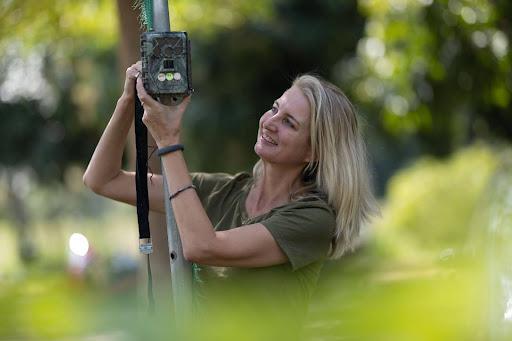
Help je mee?

Maak kennis met het team

  • Ons team is wereldwijd actief, specifiek in Thailand, Afrika en Nederland. Maak kennis met het team!

Schrijf je in voor de nieuwsbrief

En blijf op de hoogte!

This field is for validation purposes and should be left unchanged.
This field is hidden when viewing the form

Laatste nieuws

In het nieuws: "Het verwijderen van hekken maakt olifanten gezonder en laat het landschap intact"
Lees meer

Copy of 293A0795

Vandaag is het Wereld Olifanten Dag: Help ons de finishlijn te behalen!
Lees meer

DSC04347

Wat gebeurt er wanneer olifanten meer ruimte krijgen?

Lees meer

Nieuwse video

Bezoek onze Instagram

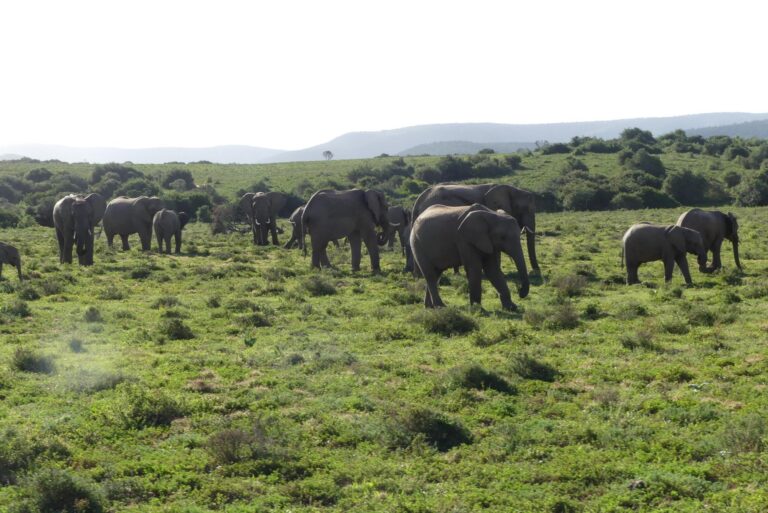
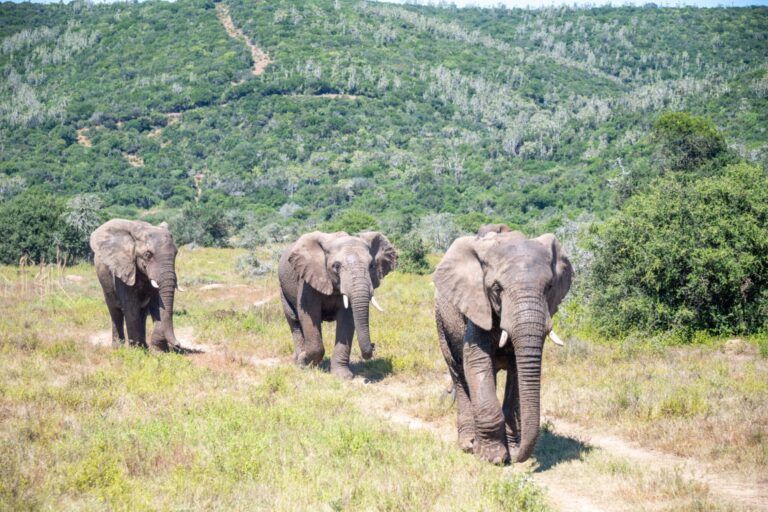
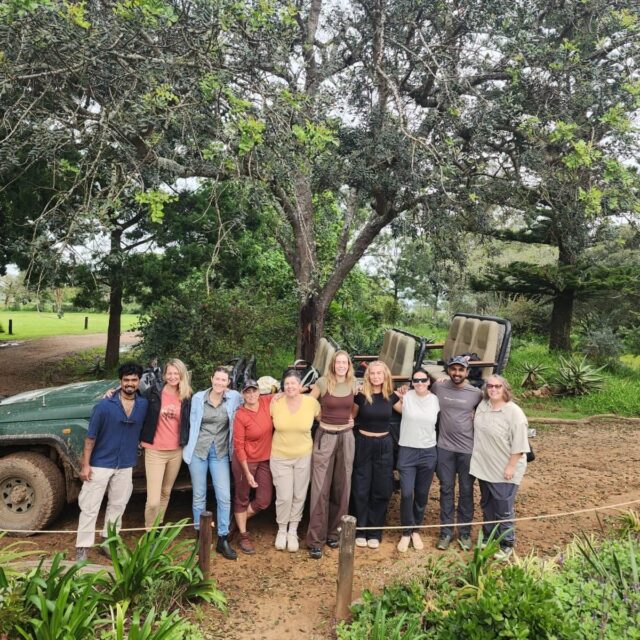
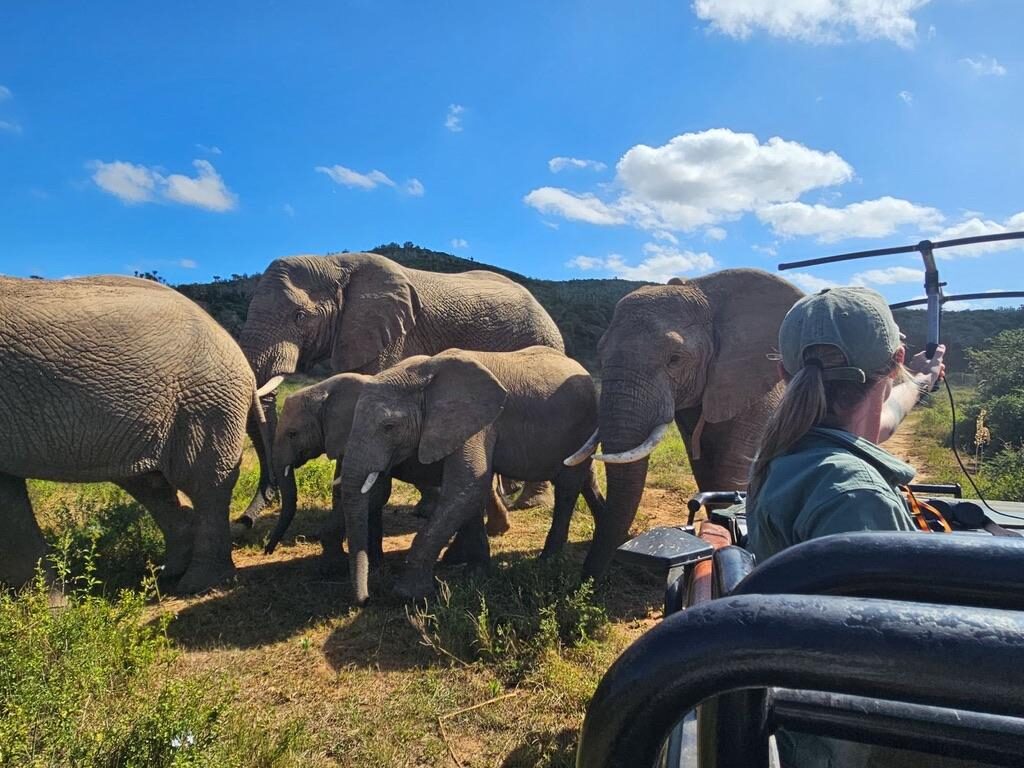
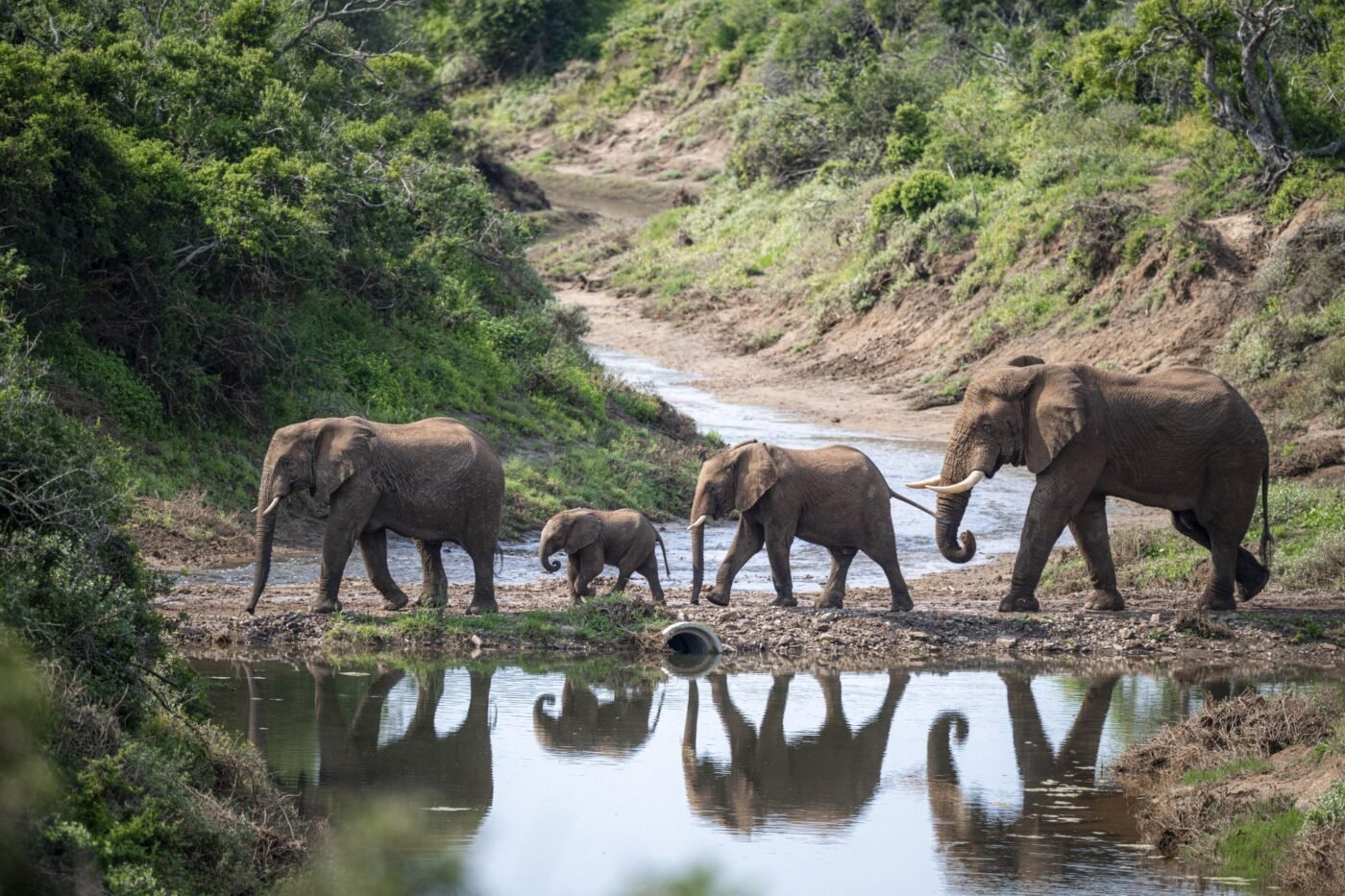
  • 10 days of impact at Kariega Game Reserve 🐘✨  As we wrap up our final research volunteer expedition in South Africa, we’re celebrating a huge success! Our September team brought so much heart to the field: practicing with a new individual identification method, collecting focal behavioral data, and immersing themselves in the beauty of Kariega. 🌿  While this brings our volunteer chapter in South Africa to a close, we are full of gratitude for #volunteersinaction and the incredible progress made. The research gathered here will carry forward and continue to support fence removal and the well-being of African elephants 💙  Animal pictures made by: @ilusioa  #BringTheElephantHome #Kariega #ElephantConservation #SouthAfrica #WildlifeResearch #ConservationJourney #HumanElephantCoexistence #volunteersinaction
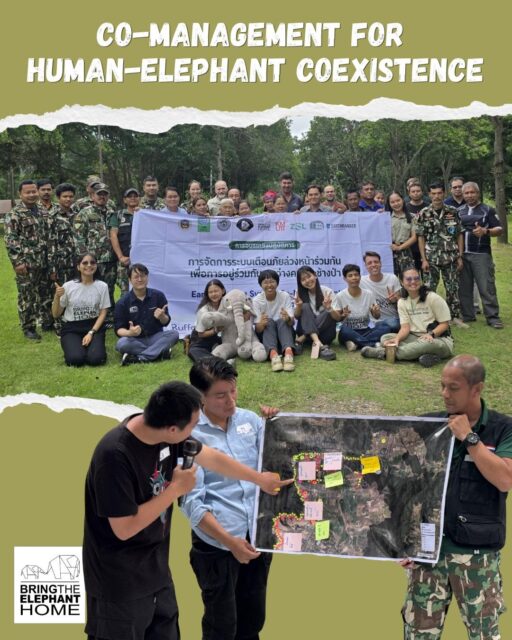
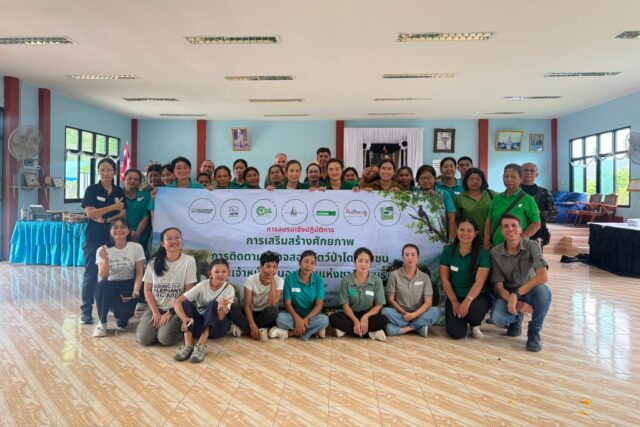
  • Bring The Elephant Home partnered with Kuiburi National Park, EcoExist Society, @earthrangertech  and @wildlifeprotectionsolutions to host a training workshop to support farmers and rangers to establish an Early Warning System co-management strategy.  Bring The Elephant Home’s network of SMS-integrated, AI-assisted camera traps sends alerts when an elephant is detected in farmland, and  workshop attendees developed skills in using EarthRanger to report elephant detections and crop and property damage.  This approach aligns local leadership, multi-stakeholder partnerships and real-time monitoring to enable safe and proactive human-elephant conflict mitigation.  Special thanks to our donors who made this workshop possible, including @cincinnatizoo, @ruffordgrants, @cssasianelephant, Lucie Burgers Foundation, @abrivoordieren and @ideawild!
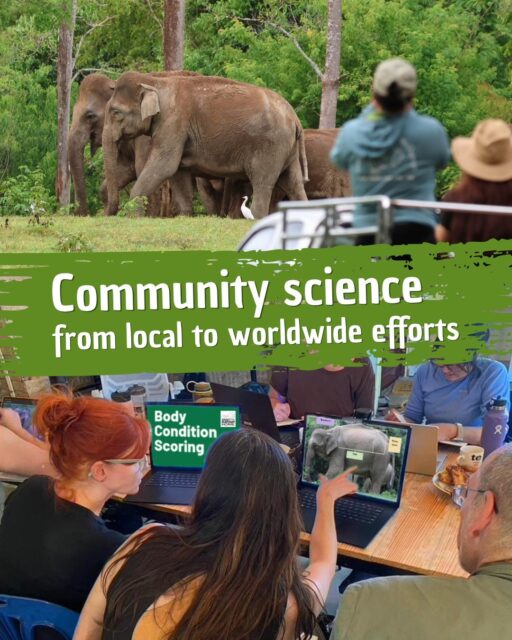
  • We would like to thank @theelephantsanctuary for awarding us with their International Partners Grant.🐘  With this funding, we will conduct a series of community workshops that will build capacity for local people to participate in wildlife monitoring and conservation science. Local people will be trained to identify individual elephants and to assign body condition scores for wild elephants as a non-invasive way to monitor individual-level and population-level health in Kuiburi National Park.  If you think this sounds exciting, you’re in luck! Because people from around the world can contribute to this work as well by participating in our community science project on Zooniverse. Here you will help us compare three different body condition scoring techniques. The project consists of three parts, each taking approximately 20 minutes to complete, and no prior research or wildlife experience is required.  🔗Complete the Google Form in our bio to register  #Zooniverse #CommunityScience #WildlifeMonitoring #CitizenScience #HumanElephantCoexistence #WildlifeConservation #ElephantLovers #Coexistence #ElephantResearch #Olifanten
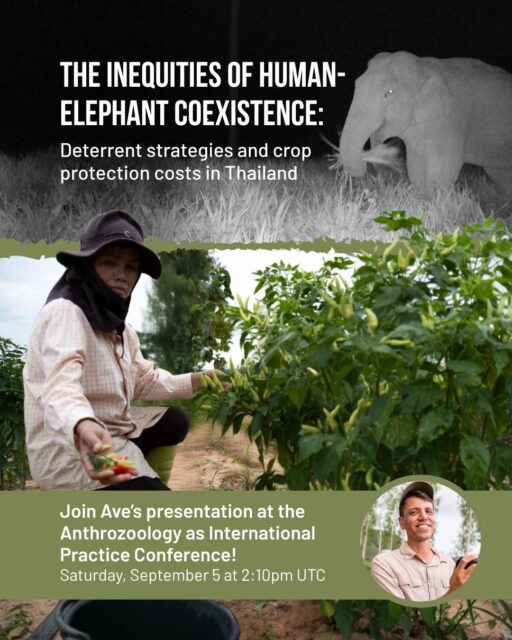
  • Next weekend, our Director of Strategy, Ave Owen, will present at the online and free conference of @aip.anthrozoology!🌿  Ave will talk about the inequities of human-elephant coexistence in Thailand and dive deeper in the deterrent strategies and crop protection costs. Ave will present findings from their master research on the financial and social costs of living near elephants in farms bordering Kuiburi National Park.  Join Ave’s presentation at 2:10pm UTC on Saturday, September 5!
🔗 Go to the link in our bio to register for the event
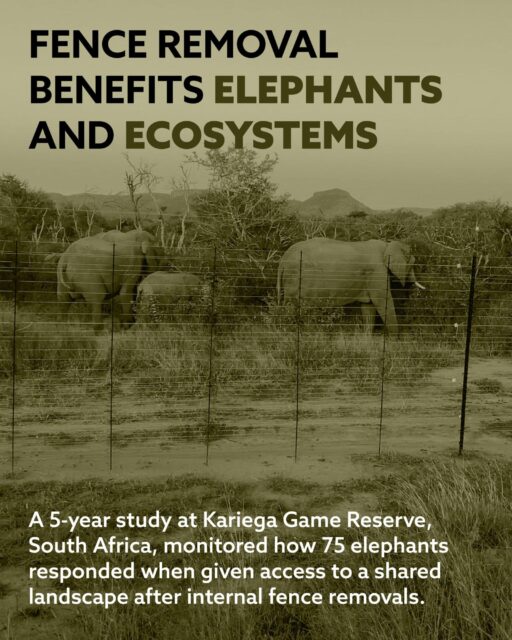
  • 🐘 What happens when elephants are given more space?  Our new open-access study in Ecology and Evolution followed 75 elephants across five matriarchal herds before and after two internal fences were removed at Kariega Game Reserve, South Africa.  Using GPS collars, behavioural observations, vegetation data and stress hormone analysis, we found that elephants expanded their home ranges, stress levels dropped, social bonding increased, and vegetation did not show disproportionate degradation in areas used by elephants.  During the study, the elephants:
•⁠ ⁠increased their home range by 30%
•⁠ ⁠incorporated natural seasonal rotations reducing browsing pressure on the reserve overall
•⁠ ⁠showed a 108% increase in locomotion
•⁠ ⁠spent 24.3% less time on foraging
•⁠ ⁠increased social bonding by 66%
•⁠ ⁠reduced aggressive behavior by 20%
•⁠ ⁠had a decline of 18% in stress-related physical biomarkers
•⁠ ⁠Importantly, areas that elephants had access to had similar vegetation greenness than areas elephants were restricted from after fence removal.  The findings challenge the idea that elephant management must rely on intensive population management measures, and instead point to the importance of space, connectivity and restoring natural movement - benefiting elephants, ecosystems and humans.  As lead author Brooke Friswold explains:
“It’s not that there are too many elephants — there’s not enough space.”  🔗Check the link in our bio to read the full paper and watch the video of our findings!
  • Bring The Elephant Home partnered with @earthrangertech  to host a participatory training workshop for 35 local people, including Kui Buri Wildlife Ecotourism Club members and Kuiburi National Park rangers.  Workshop participants shared their ideas and priorities for spatial and temporal wildlife monitoring during ecotourism activities in Kuiburi National Park, followed by practical training using the EarthRanger mobile app.  Our partnership with EarthRanger has enhanced BTEH’s  long-term elephant monitoring program in Kuiburi National Park, and this workshop represents an important step towards our vision of community-based conservation and locally led scientific research. By combining local knowledge, long-term field experience and accessible monitoring technology, we aim to strengthen the capacity of local stakeholders to collect and use wildlife data within the landscapes they know best.  This was the first in a series of participatory workshops. We are grateful to the funders making this work possible, including @cincinnatizoo, @ruffordgrants,  @cssasianelephant, Lucie Burgers Foundation, @abrivoordieren and @theelephantsanctuary in Tennessee.